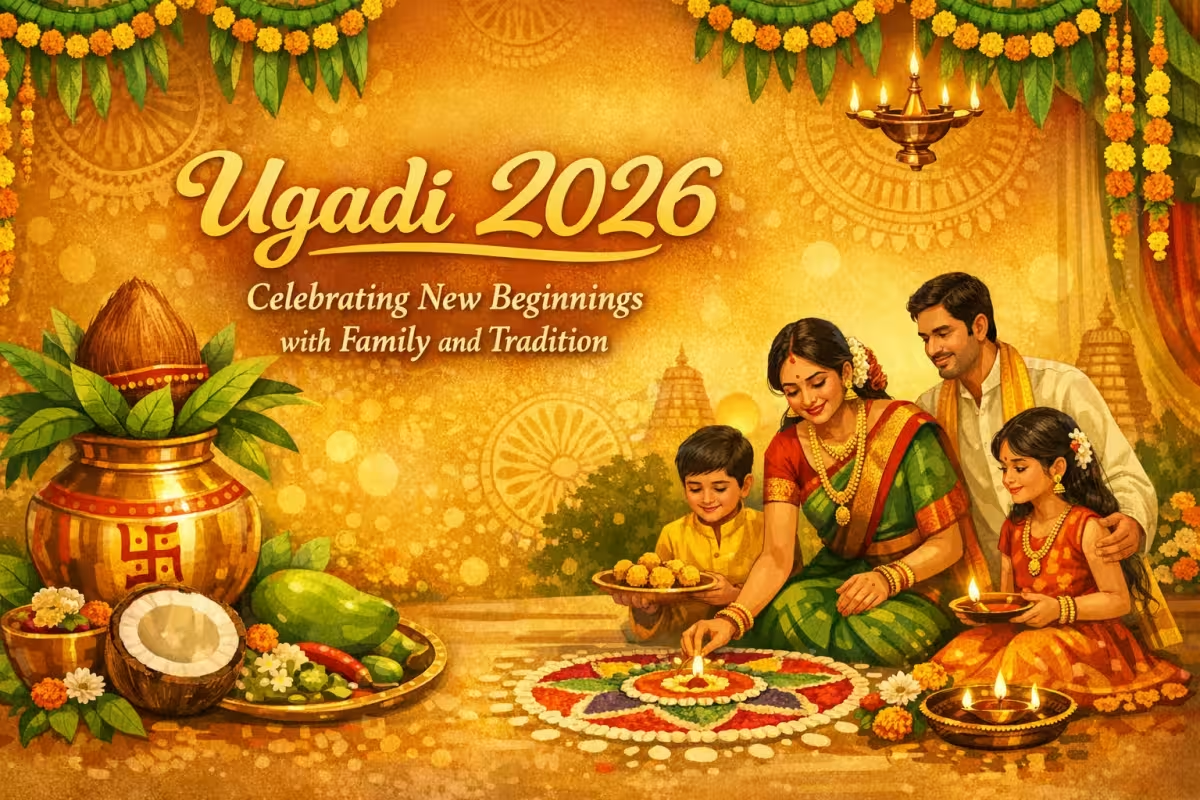

Ugadi 2026: Celebrating New Beginnings with Family and Tradition
At Sadhana Infinity School, we believe that education is not just about academics,it is about shaping well-rounded individuals who understand and appreciate their cultural history. Festivals like Ugadi provide a beautiful opportunity for families to come together, reflect on the past, and welcome the future with hope and positivity.
As we prepare to celebrate Ugadi on Thursday, March 19, 2026, let us explore the significance of this happy day, its traditions, and the timeless lessons it offers for children and adults alike.
What is Ugadi? Understanding the Festival
The word Ugadi comes from two Sanskrit words: Yuga meaning “age”, and Adi meaning “beginning.” Together, they signify “the start of a new age.” For millions of people in South India, particularly in Telangana, Andhra Pradesh, Ugadi marks the first day of the new year according to the lunar calendar.
In 2026, Ugadi falls on March 19, beginning the new year known as “Parabhava Nama Samvatsara.” This is the 41st year in the 60-year cycle of the Hindu calendar.
Beyond its religious significance, Ugadi is also a celebration of nature. It coincides with the arrival of spring (Vasanta Rutu), when trees sprout new leaves, flowers bloom, and the harvest season begins. It is a time of renewal, growth, and fresh starts, values that resonate deeply with our mission at Sadhana Infinity School.
The Spiritual and Cultural Significance
According to Hindu mythology, Ugadi is believed to be the day when Lord Brahma began creating the universe. It is a reminder that every ending makes way for a new beginning. The festival teaches us to let go of the past and embrace the future with courage and optimism.
For families, Ugadi is a time for:
- Reflection: Looking back at the past year and learning from experiences.
- Forgiveness: Fixing relationships and starting anew.
- Gratitude: Thanking nature and the divine for blessings received.
- Hope: Welcoming the new year with positive intentions.
The Heart of Ugadi: The Six Tastes of Life
The most unique and meaningful tradition of Ugadi is the preparation and sharing of Ugadi Pachadi. This special dish is a mixture of six ingredients, each representing a different taste and a corresponding life experience.
- Neem Flowers – Sadness, challenges, and difficulties
- Jaggery – Happiness, joy, and success
- Raw Mango – Happiness, joy, and success
- Tamarind – Hard work and tough situations
- Salt – Excitement, adventure, and interesting experiences
- Green Chilli – Anger, conflict, and strong emotions
When families eat the Ugadi Pachadi together, they embrace a great life lesson: The new year, like life itself, will be a mixture of all these experiences. There will be sweet moments of joy and bitter moments of sorrow. There will be surprises and challenges. By accepting all these tastes with balance, we prepare ourselves to face life with balance and wisdom.
At Sadhana Infinity School, this philosophy aligns perfectly with our approach to education. We teach children that success and failure are both part of learning. What matters is how we respond to each situation, with strength, patience, and a positive attitude.
How Families Celebrate Ugadi
Ugadi is a day filled with simple, meaningful rituals that bring families closer together. Here is how most families celebrate this festival:
1. Cleaning and Decorating the Home
In the days guiding up to Ugadi, families thoroughly clean their homes. This practice, known as Samvatsara Shuddhi, symbolizes removing negative energy and making space for positivity and prosperity. Children can participate by tidying their rooms or helping to arrange decorations.
2. The Toranam: Mango Leaf Decorations
On Ugadi morning, doorways are decorated with fresh mango leaves strung together, called Toranam. Mango leaves are considered bright and are believed to bring good luck and ward off negative energies. Involving children in this activity helps them connect with nature and tradition.
3. Oil Bath and New Clothes
The day begins with an early morning oil bath (Abhyanga Snana), which is believed to purify the body and mind. After the bath, everyone wears new clothes, symbolizing a fresh start for the new year.
4. Creating Rangoli (Muggulu)
Colorful Rangoli designs are drawn at the entrance of homes. This art form welcomes guests and adds beauty to the celebration. Children love to participate by creating small patterns or filling colors in the designs.
5. Temple Visits and Prayers
Families visit temples to seek blessings for the year ahead. They offer prayers to the family spirit and ask for health, happiness, and prosperity. Some families also perform a small puja at home.
6. Panchanga Sravanam: Listening to the New Year Forecast
Traditionally, elders or priests read the Panchanga Sravanam, the astrological forecast for the coming year. This practice provides guidance and helps families prepare for the months ahead.
7. The Festive Feast
After the rituals, families sit together to enjoy a delicious meal. Traditional dishes like Pulihora (tamarind rice), Bobbatlu (sweet flatbread also known as Polelu), and Chakkara Pongal are prepared and shared with loved ones.
Making Ugadi Meaningful for Children
At Sadhana Infinity School, we encourage parents to use festivals as opportunities for learning. Here are some simple ways to make Ugadi special for your children:
- Storytelling Time: Tell your child the story of Lord Brahma creating the universe or explain why we eat the Ugadi Pachadi. Stories make traditions come alive.
- Cooking Together: Involve your child in preparing the Ugadi Pachadi. Let them taste each ingredient separately and explain what it represents. This hands-on activity is both fun and educational.
- Rangoli Art: Encourage your child to draw a simple Rangoli. It develops creativity and fine motor skills.
- Gratitude Practice: Ask your child to name one thing they are grateful for from the past year and one hope they have for the new year. This builds emotional intelligence.
Ugadi and Our School’s Philosophy
At Sadhana Infinity School, our teaching methodology focuses on nurturing engaged minds, kind hearts, and future-ready learners. The values of Ugadi align perfectly with our educational approach:
- Acceptance: Just as the Pachadi mixes different tastes, we teach children to accept both success and failure as part of their growth journey.
- Renewal: The festival encourages fresh starts, much like our belief that every day is a new opportunity to learn and improve.
- Family and Community: Ugadi Makes clear togetherness, which mirrors our commitment to building a strong school community where every child feels supported.
- Cultural Pride: By celebrating festivals, children develop a sense of identity and respect for their heritage.
Looking Ahead: The Year of Parabhava
The new year beginning on Ugadi 2026 is called “Parabhava Nama Samvatsara.” While the name may suggest challenges, it reminds us that every year brings its own unique experiences. With hard work, positivity, and family support, we can navigate any situation and come out stronger.
At Sadhana Infinity School, we look forward to walking alongside you and your child in this new year, supporting their growth, nurturing their talents, and celebrating their achievements.
Conclusion: A Warm Welcome to the New Year
As the mango leaves decorate our doorways and the aroma of festive food fills our homes, let us welcome the new year with open hearts and joyful spirits. Ugadi reminds us that life is a beautiful mixture of experiences, and together, as a family and community, we can embrace them all.
From everyone at Sadhana Infinity School, we wish you and your family a very Happy Ugadi 2026!
May the new year bring you health, happiness, and endless opportunities for growth.